Everyday Moments That Build Emotionally Intelligent Kids
Emotional intelligence (EI) is a vital skill that helps children navigate the complexities of their emotions, build healthy relationships, and make thoughtful decisions. While formal education often focuses on academic skills, emotional intelligence is equally important for a child’s personal and social development. The good news? You don’t need specialized tools or programs to foster EI in your child—everyday activities provide countless opportunities to teach and reinforce these skills.
At Haven Psychology Group, we emphasize the value of integrating emotional learning into daily life. Here’s how you can use common activities to nurture emotional intelligence in your children.
What Is Emotional Intelligence?
Emotional intelligence refers to the ability to recognize, understand, manage, and express emotions effectively. It also involves empathizing with others and navigating social situations with awareness and sensitivity. Key components of EI include:

Self-Awareness: Understanding one’s own emotions.
Self-Regulation: Managing and expressing emotions in healthy ways.
Empathy: Recognizing and understanding the emotions of others.
Social Skills: Building and maintaining healthy relationships.
Decision-Making: Balancing emotions and logic to make sound choices.
Developing these skills early can set the foundation for emotional resilience and interpersonal success.
Everyday Activities to Build Emotional Intelligence
1. Storytime with Emotional Reflection
Reading books together is a simple yet powerful way to explore emotions. After finishing a story, ask questions like:
“How do you think the character felt in that situation?”
“What would you have done differently if you were in their shoes?”
“Can you think of a time when you felt the same way?”
Discussing emotions through fictional characters helps children recognize feelings and empathize with others.
2. Emotion Charades
Turn learning into a fun game by acting out different emotions and having your child guess what you’re portraying. Then, let them take a turn acting. This activity helps kids identify emotions based on facial expressions and body language, strengthening their emotional awareness and empathy.

3. Cooking Together
Cooking provides opportunities to teach self-regulation and patience. For example:
Waiting for water to boil or cookies to bake teaches delayed gratification.
Following a recipe step by step builds focus and attention.
You can also discuss how food relates to emotions: “Does this dish remind you of a happy memory?”
4. Model Emotional Vocabulary
In everyday conversations, model the use of emotion words to help expand your child’s emotional vocabulary. Instead of saying, “I’m upset,” try:
“I feel disappointed because I didn’t get to finish my project.”
“I’m proud of you for trying something new, even though it was scary.”
Encouraging kids to articulate their feelings fosters self-awareness and emotional expression.
5. Play “What Would You Do?” Scenarios
During car rides or mealtimes, present hypothetical social scenarios, such as:
“What would you do if a friend was sad at school?”
“How would you feel if someone didn’t want to play with you?” Discuss their responses and guide them toward empathetic, thoughtful solutions.
6. Mindfulness Walks
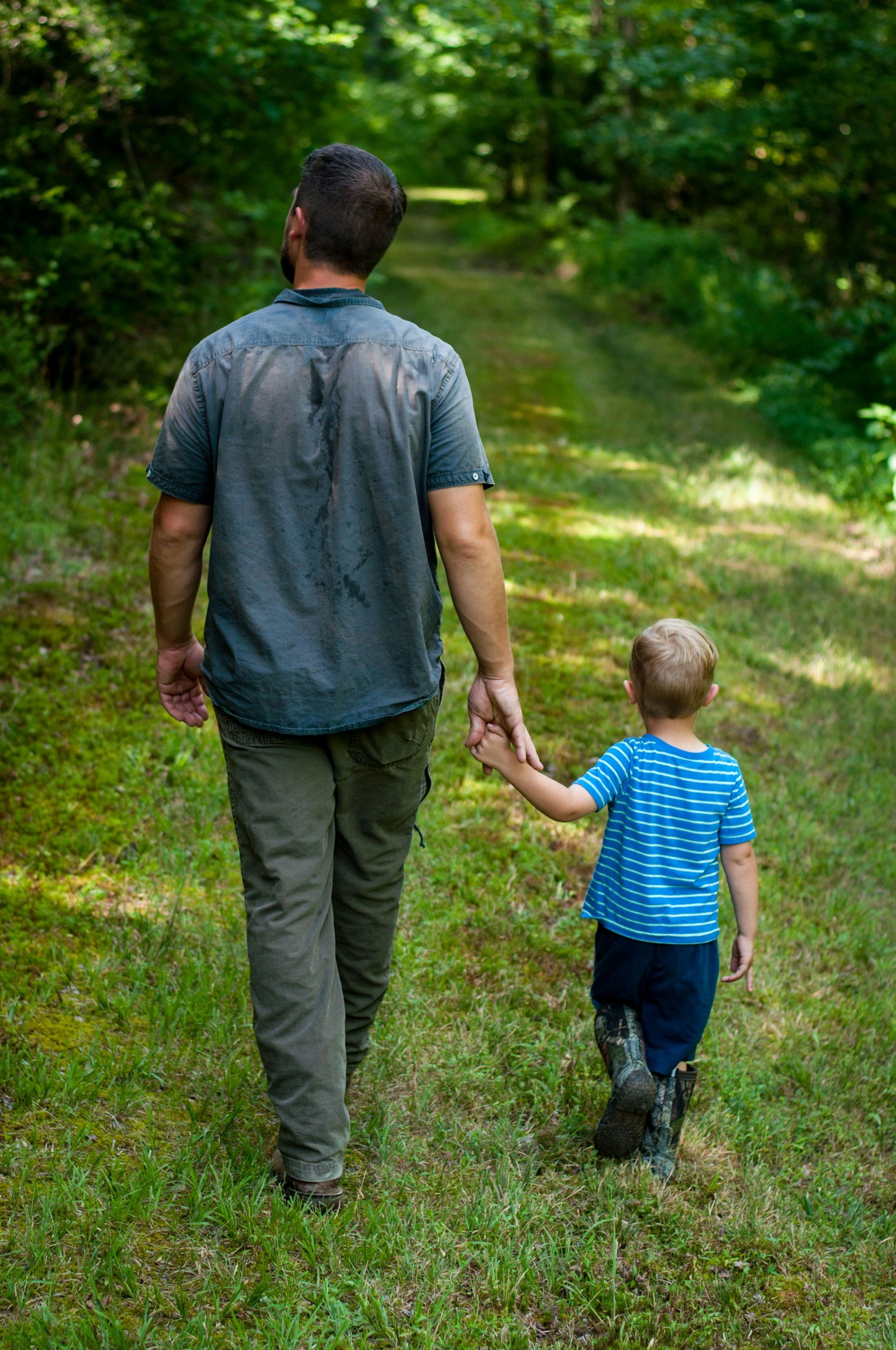
Take a walk and encourage your child to notice sights, sounds, and smells around them. Ask them how these observations make them feel. Mindfulness activities like this enhance emotional regulation and present-moment awareness.
7. Praise Efforts, Not Just Outcomes
When praising your child, focus on their effort and emotional resilience rather than the result:
“You worked so hard on this drawing. I love how you didn’t give up!”
“I noticed you shared your toy even though it wasn’t easy. That was very kind.”
This encourages a growth mindset and reinforces the value of persistence and empathy.
8. Family Emotion Check-Ins
During meals or before bedtime, have each family member share:
One emotion they felt that day.
What caused the emotion and how they handled it.
These check-ins create a safe space for emotional expression and teach kids to process their feelings constructively.
9. Volunteer as a Family
Engaging in community service teaches empathy and the importance of helping others. Whether it’s donating clothes or spending time at a local shelter, these experiences help children understand the value of kindness and compassion.
10. Practice Conflict Resolution
When sibling disagreements arise, use them as teachable moments:
Encourage your child to express their feelings using “I” statements: “I feel upset because…”
Guide them toward finding a solution that works for everyone. Practicing healthy communication during conflicts fosters social skills and emotional regulation.

Why Emotional Intelligence Matters
Children with strong emotional intelligence tend to:
Build better relationships with peers and adults.
Handle challenges and setbacks with resilience.
Navigate social situations with confidence.
Achieve greater overall well-being.
By incorporating EI lessons into daily routines, you’re giving your child tools to succeed emotionally, socially, and academically.
Let’s Build Emotional Intelligence Together
At Haven Psychology Group, we understand that raising emotionally intelligent children is a journey. If you’re looking for more guidance on fostering emotional growth in your child, our therapists are here to help. Together, we can create strategies tailored to your family’s needs and goals.
Contact us today to schedule an appointment and start building a brighter, emotionally resilient future for your child.