The Psychology of Clutter: How Decluttering Can Reduce Stress
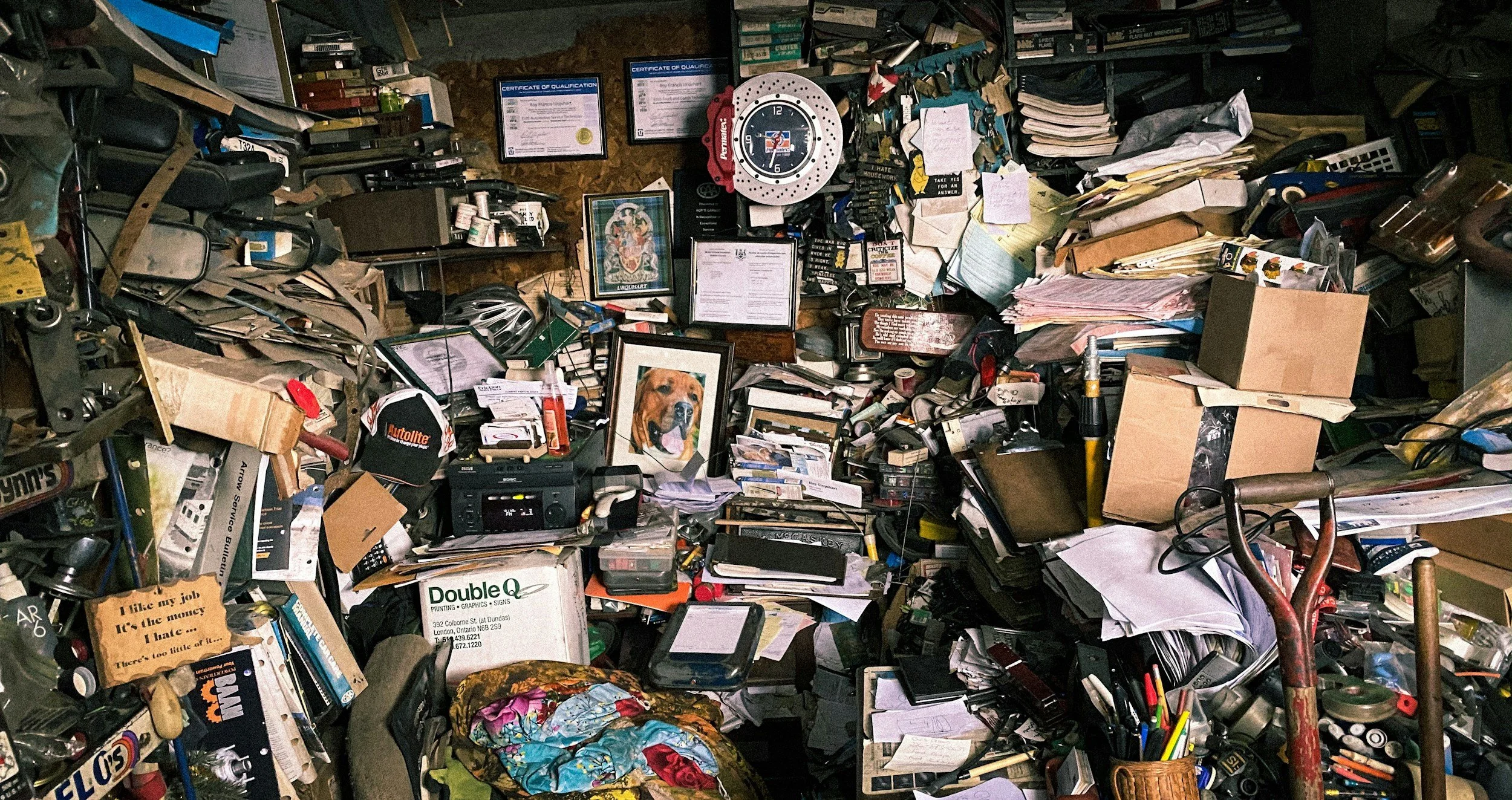
In today’s busy world, clutter can quickly take over our homes, workspaces, and even our minds. While it may seem like a minor inconvenience, clutter has a profound psychological impact, often contributing to feelings of stress, overwhelm, and anxiety. Decluttering is more than just tidying up—it’s a powerful way to support mental well-being. Let’s explore the psychology of clutter and how decluttering can create space for a calmer, more focused life.
The Psychological Impact of Clutter
Clutter isn’t just physical—it can affect us emotionally and cognitively. Here’s how it impacts your mental health:
Increased Stress Levels
Studies have shown that cluttered environments can increase levels of cortisol, the stress hormone. Constant visual reminders of disorganization can make it harder to relax and unwind.
Decreased Focus and Productivity
Clutter competes for your attention, making it difficult to concentrate. A messy desk or home can hinder your ability to focus and complete tasks efficiently.
Emotional Overload
Clutter can evoke feelings of guilt, frustration, or shame, especially if it’s tied to unfulfilled goals or decisions you’ve avoided.
Disrupted Mental Clarity
A cluttered environment often mirrors a cluttered mind. It can contribute to feelings of chaos and prevent you from thinking clearly.
Impaired Sleep
Clutter in your bedroom can create a sense of unease, making it harder to fall asleep or stay asleep.

Why Decluttering Reduces Stress
Decluttering is more than just cleaning—it’s an intentional act of letting go. Here’s how it helps reduce stress:
Restores a Sense of Control
Organizing your space provides a tangible way to take control of your environment, which can boost feelings of empowerment and reduce anxiety.
Creates a Calming Environment
A clutter-free space promotes relaxation and allows you to recharge, fostering a sense of peace and tranquility.
Boosts Mental Clarity
A tidy space helps declutter your mind, improving focus, creativity, and decision-making.
Encourages Positive Habits
Decluttering often leads to better organizational habits, such as maintaining a clean workspace or creating a more efficient daily routine.
Releases Emotional Weight
Letting go of items tied to negative memories or unfinished projects can be cathartic, helping you move forward with a lighter emotional load.
Steps to Start Decluttering
If the idea of decluttering feels overwhelming, don’t worry—small, intentional steps can make a big difference. Here’s how to get started:
Set a Clear Goal
Define your purpose for decluttering. Whether it’s creating a more peaceful home or clearing your desk for better focus, having a goal can guide your efforts.
Start Small
Begin with one area, such as a single drawer or a corner of a room. Small victories can build momentum and prevent burnout.
Sort Items into Categories
Use the “keep, donate, recycle, or discard” method to sort through your belongings. Be honest about what you truly need or value.
Create a System
Designate specific places for items you decide to keep. Storage bins, labels, and shelves can help maintain organization.
Adopt the One-In-One-Out Rule
For every new item you bring into your space, let go of an old one. This prevents clutter from building up again.
Practice Mindfulness
Pay attention to how decluttering makes you feel. Celebrate the sense of accomplishment and the lightness that comes with a more organized space.
Maintaining a Decluttered Space
Decluttering is a continuous process, not a one-time task. To maintain your efforts:
Set Regular Check-Ins: Schedule monthly or seasonal decluttering sessions to stay on top of clutter.
Be Mindful of Purchases: Consider whether new items align with your values and needs before buying.
Involve the Family: Make decluttering a shared activity to build teamwork and keep everyone accountable.
The Emotional Side of Decluttering
Decluttering can stir up a range of emotions, from nostalgia to guilt. It’s important to acknowledge these feelings without judgment. If you find it hard to let go of certain items, ask yourself:
Does this item bring me joy or serve a purpose in my life?
Am I holding onto it out of obligation or fear?
Would letting go create more space for peace and clarity?
How Haven Psychology Group Can Help
Sometimes, clutter is a symptom of deeper emotional or mental health challenges, such as anxiety, perfectionism, or grief. We can help you explore these underlying factors and develop strategies for creating a more balanced, organized life. Our therapists provide compassionate support to help you overcome overwhelm and embrace a sense of calm.
Final Thoughts
Clutter can weigh heavily on your mind, but it doesn’t have to define your space or your life. By taking intentional steps to declutter, you can create an environment that supports your mental and emotional well-being. Remember, decluttering is a journey—every small step brings you closer to a calmer, more fulfilling space.
If you’re ready to start your decluttering journey and would like support along the way, contact Haven Psychology Group today. Together, we can help you clear the path to a more peaceful and focused life.