The Link Between Physical Movement and Emotional Resilience
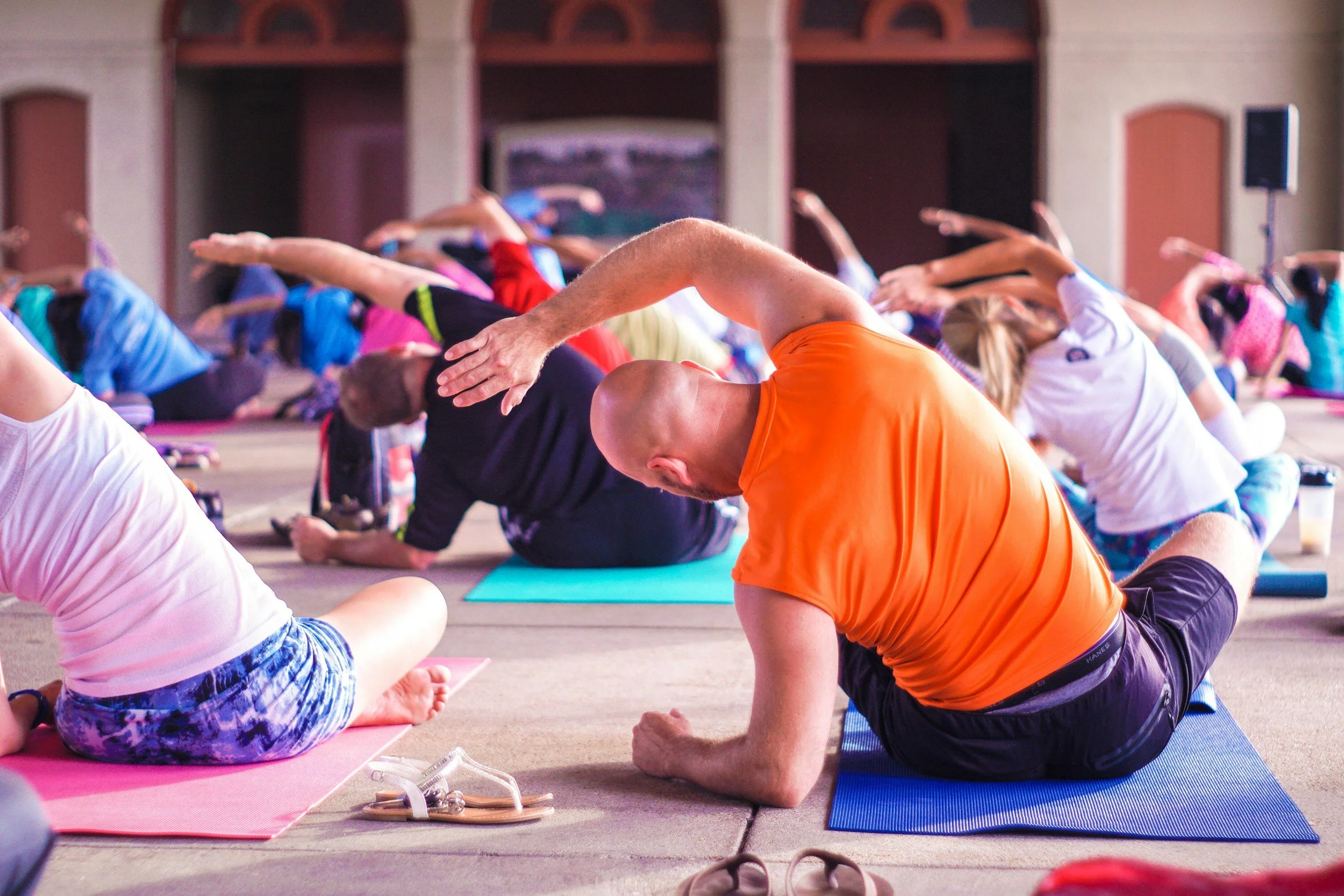
In a world where stress is inevitable, building emotional resilience—the ability to adapt and recover from challenges—is a vital skill. While we often think of resilience as a mental or emotional trait, physical movement plays a surprisingly powerful role in strengthening our ability to cope with life’s ups and downs. At Haven Psychology Group, we emphasize the connection between the body and mind and explore how physical activity can foster emotional resilience.
What Is Emotional Resilience?
Emotional resilience refers to the capacity to bounce back from adversity, manage stress effectively, and maintain a sense of balance in challenging situations. It’s not about avoiding difficulties but navigating them with strength and adaptability.
Building resilience involves several key traits:
Emotional regulation: Managing feelings and reactions to stress.
Problem-solving skills: Finding constructive ways to address challenges.
Self-efficacy: Believing in your ability to overcome obstacles.
While resilience can be developed through mindfulness, therapy, and strong social connections, physical movement is an often-overlooked yet critical component of fostering emotional strength.
How Physical Movement Enhances Emotional Resilience
Reduces Stress Levels
Exercise reduces levels of cortisol, the body’s stress hormone, and stimulates the production of endorphins, which promote feelings of well-being and calm. Engaging in regular movement creates a natural buffer against the physiological effects of stress.Improves Emotional Regulation
Activities like yoga, tai chi, and even walking help center the mind and body, allowing individuals to process emotions more effectively. Physical movement engages the parasympathetic nervous system, which helps calm the “fight or flight” response.Builds Confidence and Self-Efficacy
Overcoming physical challenges—whether it’s running a mile, learning a new dance move, or completing a workout—reinforces the belief in one’s ability to succeed. This sense of accomplishment can translate to increased confidence in handling emotional challenges.Fosters Social Connection
Group activities such as team sports, dance classes, or fitness groups create opportunities for social interaction, which is a crucial element of emotional resilience. Supportive connections reduce feelings of isolation and provide encouragement during tough times.Encourages Mindfulness
Physical movement often requires focus, whether it’s maintaining balance in yoga or keeping pace during a run. This mindfulness element helps individuals stay present, reducing overthinking and anxiety.Enhances Sleep Quality
Regular physical activity improves sleep patterns, which are essential for emotional regulation and recovery. A well-rested mind is more resilient to stress and better equipped to handle emotional challenges.

Types of Physical Movement That Support Emotional Resilience
Aerobic Exercise
Activities like running, cycling, or swimming boost cardiovascular health while releasing endorphins that improve mood and reduce anxiety.Mind-Body Exercises
Yoga, Pilates, and tai chi integrate breath control, balance, and mindfulness, offering a calming and restorative effect on both the body and mind.Strength Training
Resistance exercises like weightlifting or bodyweight workouts not only build physical strength but also foster mental toughness and perseverance.Outdoor Activities
Hiking, gardening, or simply walking in nature combines physical movement with the emotional benefits of fresh air and natural surroundings.Playful Movement
Activities like dancing, playing with children, or engaging in recreational sports bring joy and laughter, which are powerful tools for stress relief.
Incorporating Movement Into Daily Life
Even small changes in daily routines can make a big difference in building emotional resilience. Here are some tips to get started:
Start Small: Begin with short walks or 10-minute movement breaks to create a sustainable habit.
Make It Enjoyable: Choose activities you genuinely enjoy to make movement feel less like a chore.
Schedule It: Treat physical activity as a non-negotiable part of your routine, just like eating or sleeping.
Combine Movement and Mindfulness: Practice mindful walking, where you focus on your breath, surroundings, and steps.
Celebrate Progress: Recognize and reward your efforts, no matter how small they may seem.
Using Movement to Navigate Emotional Challenges
During particularly stressful or emotional periods, physical activity can be a powerful coping tool. For example:
Feeling Overwhelmed? Take a brisk walk to clear your mind and reduce tension.
Experiencing Anger? Channel that energy into a high-intensity workout or kickboxing session.
Struggling with Sadness? Engage in gentle yoga or stretching to reconnect with your body and create a sense of calm.
When to Seek Additional Support
While physical movement can significantly enhance emotional resilience, some challenges may require additional support. If you’re struggling to cope with stress, anxiety, or other emotional difficulties, therapy can provide valuable tools and insights.
How Haven Psychology Group Can Help
At Haven Psychology Group, we believe in a holistic approach to mental health. Our therapists can help you incorporate physical activity into your self-care routine and explore other strategies for building emotional resilience. Whether you’re looking to enhance your coping skills or address deeper emotional challenges, we’re here to support you.

Final Thoughts
Physical movement is more than just a tool for physical fitness—it’s a pathway to emotional resilience and well-being. By staying active and intentional about your movement, you can equip yourself to face life’s challenges with strength, confidence, and grace.
Ready to start your journey to resilience? Contact Haven Psychology Group today to learn how we can support your mental and emotional health.