Teaching Kids to Develop Healthy Coping Mechanisms for Stress
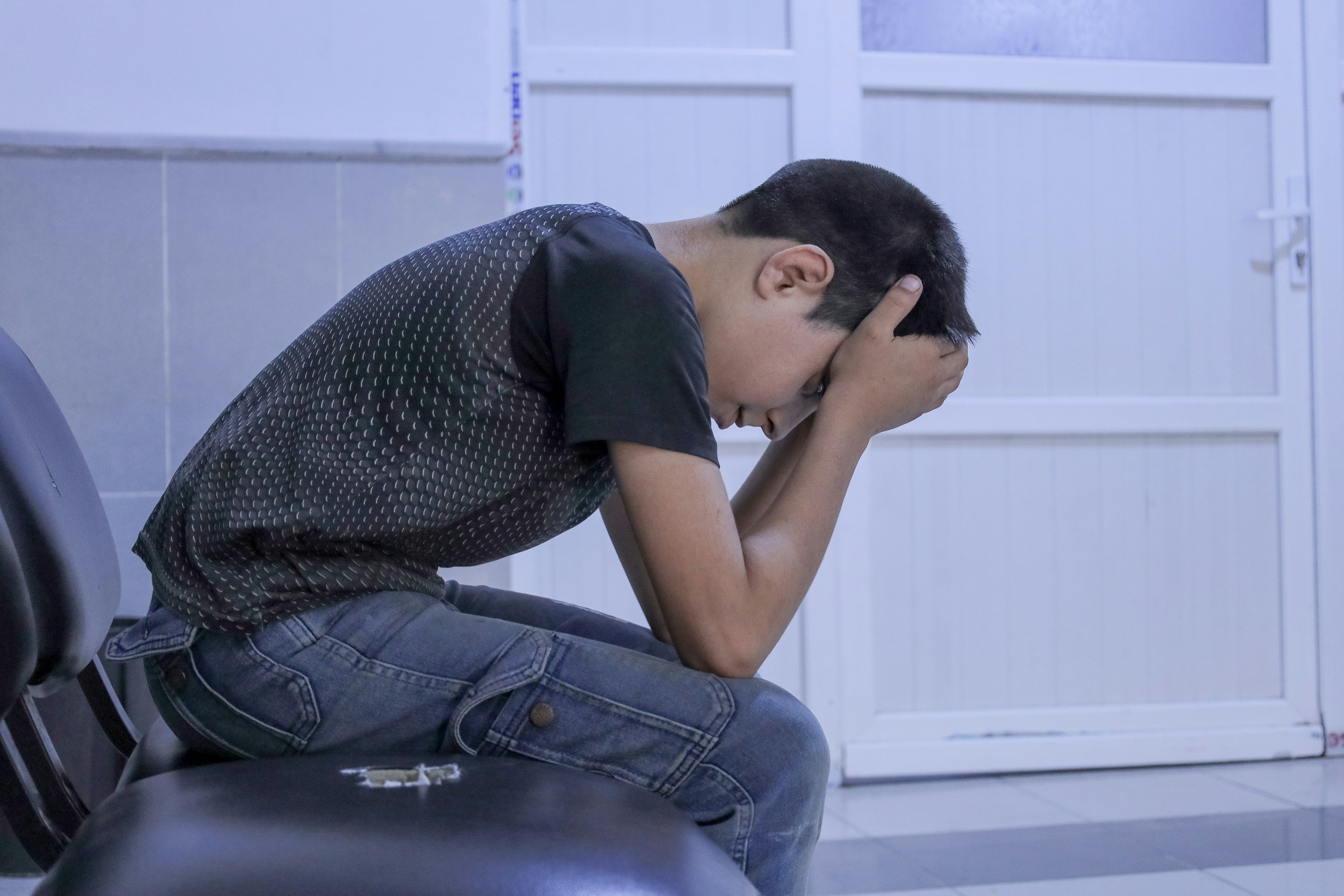
Stress is a natural part of life, and it doesn’t only affect adults—kids experience stress too. Whether it’s challenges at school, social pressures, or changes at home, children can feel overwhelmed just like adults. However, unlike adults, children are still learning how to process and manage their emotions.
At Haven Psychology Group, we believe that teaching kids healthy coping mechanisms early in life can equip them with the tools they need to navigate stress effectively and build resilience. Here’s how you can help your child develop these essential skills.
Understanding Stress in Kids
Children may not always recognize or communicate their stress in the same way adults do. Common signs of stress in kids include:
Irritability or mood swings
Trouble sleeping or frequent nightmares
Changes in appetite
Withdrawal from friends or family
Difficulty concentrating
Complaints of stomachaches or headaches
Recognizing these signs is the first step in helping your child manage stress in healthy ways.
Why Healthy Coping Mechanisms Matter
Without healthy coping strategies, children may develop habits that negatively impact their mental and emotional well-being, such as avoidance, aggression, or excessive reliance on technology for distraction. Teaching positive coping mechanisms empowers kids to face challenges with confidence, fostering resilience and emotional regulation.
Healthy Coping Mechanisms for Kids
1. Open Communication
Encourage your child to express their feelings openly and honestly. Let them know it’s okay to feel stressed or upset and that you’re there to listen without judgment.
How to Start: Ask open-ended questions like, “What’s been on your mind lately?” or “Can you tell me about your day?”
Validation Matters: Acknowledge their emotions by saying things like, “I understand why that would upset you.”

2. Breathing Exercises
Teaching kids simple breathing techniques can help them calm down when they’re feeling overwhelmed.
Try This Exercise: Inhale deeply through the nose for four counts, hold for four counts, and exhale slowly through the mouth for six counts. Repeat this process several times to reduce stress.
3. Physical Activity
Exercise is a powerful stress reliever that helps release endorphins and reduces tension.
Ideas for Kids: Encourage activities like jumping on a trampoline, dancing, riding a bike, or playing a sport they enjoy.
4. Creative Outlets
Art, music, and writing can be therapeutic ways for children to process and express their emotions.
Examples: Provide materials for drawing, painting, or journaling. For music lovers, encourage singing, playing an instrument, or creating playlists of songs that make them feel happy.
5. Mindfulness and Relaxation
Mindfulness teaches kids to focus on the present moment, which can reduce anxiety and improve emotional regulation.
Activities to Try:
Guided meditations designed for kids
Mindful coloring books
Yoga or stretching exercises
6. Problem-Solving Skills
Help your child identify the root cause of their stress and brainstorm solutions together. Teaching problem-solving not only reduces stress but also builds confidence.
Step-by-Step Approach:
Identify the problem.
Discuss potential solutions.
Choose one solution to try.
Reflect on the outcome.

7. Social Connection
Encourage your child to spend time with friends or trusted adults who make them feel supported and valued. Social interaction can provide a sense of belonging and reduce feelings of isolation.
8. Healthy Routines
A consistent daily routine can provide a sense of stability and predictability, reducing stress.
Key Elements of a Healthy Routine: Regular sleep schedules, balanced meals, time for homework, and breaks for play or relaxation.
9. Gratitude Practices
Focusing on the positives can shift a child’s mindset and reduce stress.
How to Start: Encourage your child to list three things they’re grateful for each day, no matter how small.
10. Limit Screen Time
Excessive use of screens can increase stress and interfere with sleep. Set boundaries around technology and encourage other forms of relaxation and play.
Teaching by Example
Children learn a lot from observing adults. Demonstrate healthy coping mechanisms in your own life, such as practicing self-care, staying calm under pressure, and seeking support when needed. Your behavior serves as a powerful model for how to handle stress.
When to Seek Professional Support
If your child’s stress persists or begins to interfere with their daily life, it may be time to seek help from a therapist. Signs that professional support might be needed include:
Prolonged sadness or withdrawal
Intense fears or phobias
Academic struggles due to stress
Physical symptoms with no clear medical cause
At Haven Psychology Group, our therapists specialize in helping children and families navigate stress and build resilience.
Final Thoughts
Stress is a part of life, but with the right tools, children can learn to manage it in healthy and constructive ways. By fostering open communication, teaching practical coping strategies, and modeling positive behavior, you’re giving your child the foundation they need to face challenges with confidence and adaptability.
If you’d like support in teaching your child healthy coping mechanisms or addressing their stress, contact Haven Psychology Group today. We’re here to help your family thrive.