Striking a Balance: The Benefits and Challenges of News Consumption

In today’s digital age, staying informed has never been easier—or more overwhelming. With 24/7 access to news from traditional outlets, social media, and online platforms, we’re constantly surrounded by information. While news consumption helps us stay connected to the world and make informed decisions, it also comes with pitfalls like fear-mongering, misinformation, and bias. Let’s explore the benefits and challenges of news consumption and offer strategies for maintaining a healthy relationship with information.
The Benefits of News Consumption
Staying Informed
News keeps us updated on local, national, and global events, allowing us to make informed decisions that impact our lives, from voting to staying safe during emergencies.Promoting Civic Engagement
Knowledge about societal issues fosters civic responsibility, encouraging people to participate in discussions, vote, and support causes that matter to them.Expanding Awareness
News exposes us to diverse perspectives and experiences, broadening our understanding of cultures, challenges, and opportunities beyond our immediate environment.Encouraging Problem-Solving
Staying informed about societal problems can inspire action and innovation, whether it’s through volunteering, advocacy, or contributing to solutions.
The Challenges of News Consumption
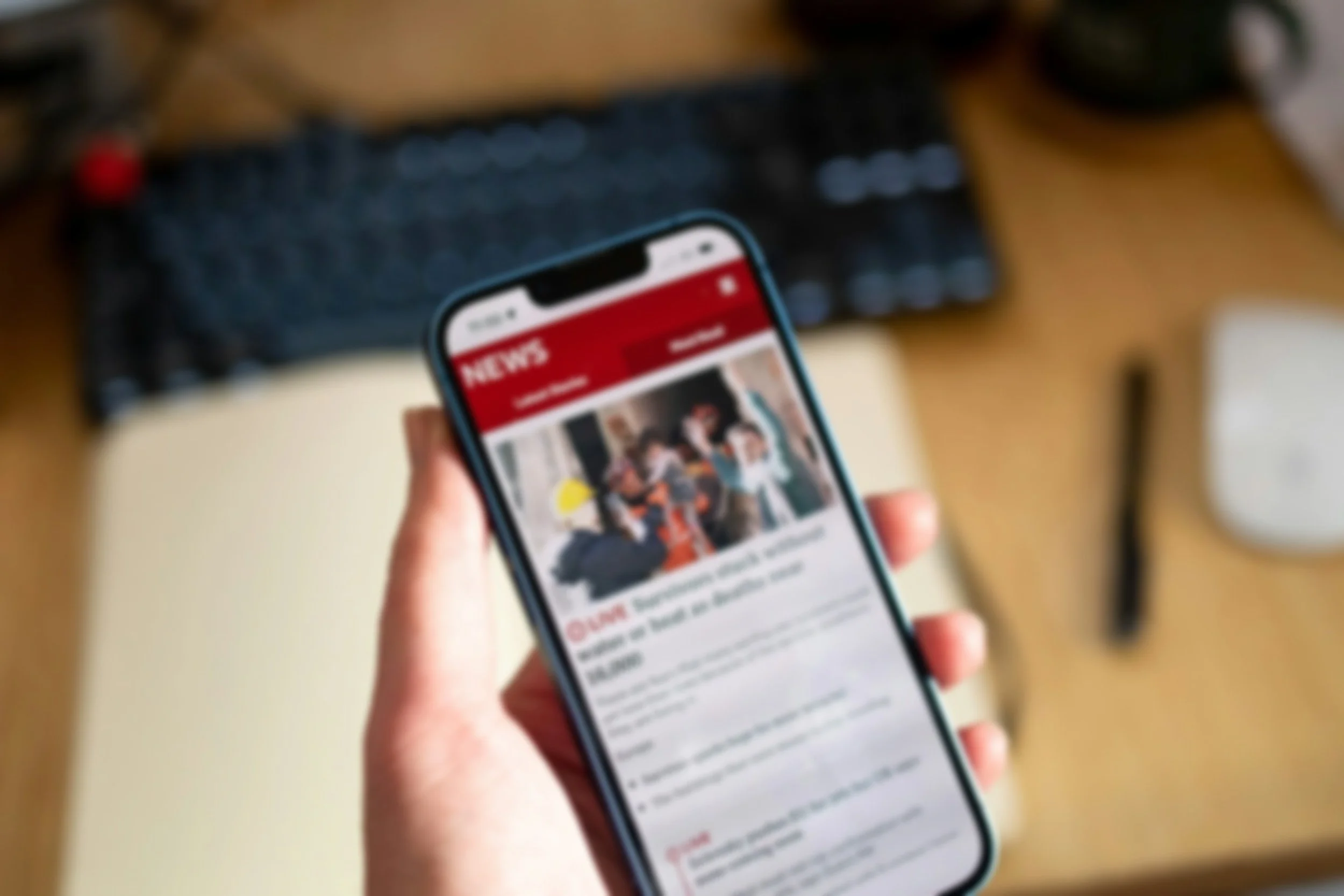
1. Fear-Mongering and Sensationalism
Many news outlets rely on sensational headlines to attract viewers and clicks. Constant exposure to fear-inducing content can lead to heightened anxiety, stress, and a distorted view of reality.
2. Misinformation and Fake News
The rise of social media has blurred the lines between credible reporting and misleading information. Misinformation spreads rapidly, making it challenging to distinguish fact from fiction.
3. Bias in Reporting
All news outlets have inherent biases, whether political, cultural, or commercial. Consuming news from a single perspective can reinforce echo chambers and limit critical thinking.
4. Information Overload
The sheer volume of news can be overwhelming, leading to decision fatigue, emotional burnout, or even apathy as a coping mechanism.
Balancing News Consumption for Mental Health
1. Be Selective with Your Sources
Choose reputable outlets with a history of factual reporting.
Diversify your sources to expose yourself to multiple perspectives.
Use fact-checking tools to verify claims from questionable outlets.
2. Limit Social Media News
Social media algorithms prioritize engagement over accuracy, often amplifying sensational or polarizing content.
Consider using apps or platforms specifically designed for news aggregation from credible sources.
3. Set Boundaries
Limit the time you spend consuming news daily to avoid emotional overwhelm.
Avoid checking the news right before bed, as it can disrupt sleep and increase anxiety.
4. Practice Critical Thinking
Ask questions: Who wrote this? What’s the source? Is there an agenda?
Look for corroboration from multiple credible sources before accepting information as true.
5. Focus on Solutions-Oriented Reporting
Seek out outlets or stories that focus on solutions and progress rather than just highlighting problems.
This type of reporting can reduce feelings of helplessness and inspire action.
The Role of Self-Awareness in News Consumption
Understanding your emotional responses to news is key. If you notice that certain topics or outlets consistently increase anxiety or frustration, it may be time to step back or adjust your consumption habits.
Final Thoughts
News consumption is a double-edged sword. While staying informed is empowering, unchecked exposure to fear-mongering, bias, and misinformation can harm mental health. By being intentional and critical about the news we consume, we can strike a balance that keeps us informed without feeling overwhelmed.
At Haven Psychology Group, we understand the emotional toll of modern life and can help you navigate challenges like anxiety and stress. Contact us today to learn how we can support your mental health journey.