Navigating the Challenges of Sibling Rivalry in a Healthy Way

Sibling rivalry is a natural part of family dynamics, but when left unchecked, it can create tension and disrupt harmony at home. From competing for parental attention to clashing personalities, siblings often engage in disagreements that can escalate into frequent arguments. While these conflicts are normal, they also provide valuable opportunities to teach kids about empathy, communication, and conflict resolution.
At Haven Psychology Group, we believe in turning the challenges of sibling rivalry into growth opportunities. Let’s explore why sibling conflicts happen, how to address them effectively, and strategies to foster healthy relationships among siblings.
Understanding the Root Causes of Sibling Rivalry
Sibling rivalry often arises from a combination of factors, including:
Competition for Attention: Children may feel they need to compete for parental love and recognition, especially when a new sibling arrives or when one child seems to receive more praise or privileges.
Differing Personalities: Differences in temperaments, interests, or communication styles can lead to misunderstandings and conflicts.
Developmental Stages: Younger children may struggle with sharing, while older siblings may feel burdened by responsibilities or jealousy over perceived freedoms.
Stress or External Pressures: Stressors like moving, school challenges, or parental stress can heighten sibling conflicts.
Comparison: When children feel compared to their siblings, it can foster resentment and rivalry.
Healthy Ways to Navigate Sibling Rivalry
Rather than seeing sibling rivalry as purely negative, use it as an opportunity to teach valuable life skills. Here are some strategies for fostering harmony:
1. Avoid Comparisons
Refrain from comparing your children to one another, even in subtle ways. Instead of saying, “Why can’t you be more like your sibling?” focus on each child’s unique strengths and achievements.
Use phrases like, “I’m proud of the way you worked hard on your project,” to celebrate individual efforts without comparison.
2. Encourage Open Communication
Teach your children how to express their feelings respectfully. Use “I” statements, like “I feel upset when you take my toy without asking,” to promote understanding.
Model active listening by acknowledging each child’s perspective during a conflict.
3. Set Clear Boundaries
Establish family rules about respectful communication and behavior. Let your children know that name-calling, hitting, or other harmful actions are unacceptable.
Create consistent consequences for breaking these rules to ensure fairness.
4. Promote Teamwork
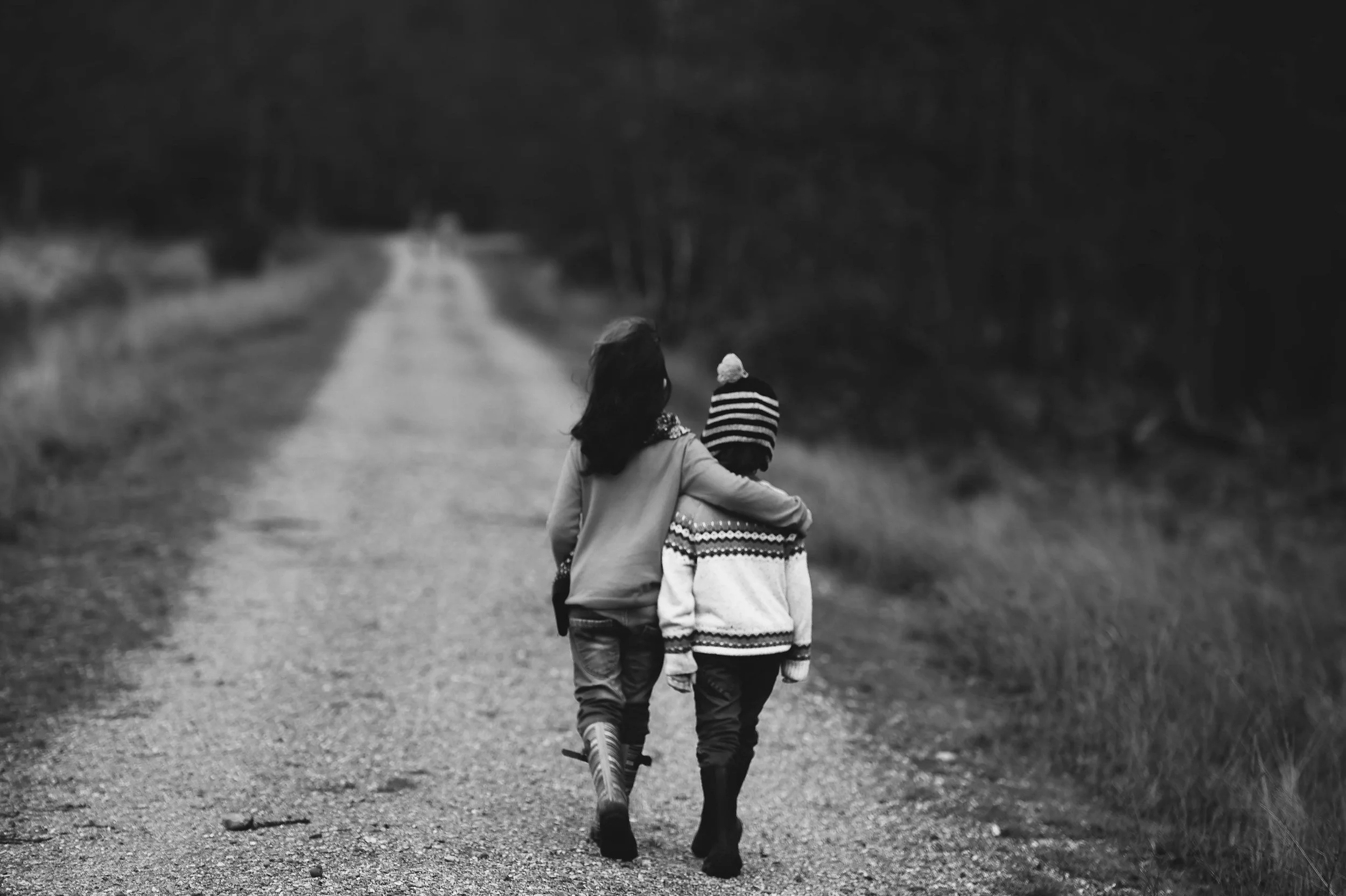
Encourage activities that require siblings to work together, such as completing a puzzle, cooking a meal, or playing a team sport. This fosters collaboration and strengthens their bond.
Praise their teamwork and highlight moments when they help or support each other.
5. Teach Conflict Resolution Skills
Help your children learn how to solve disagreements constructively. Guide them through steps like:
Identifying the problem.
Sharing their feelings.
Brainstorming solutions together.
Agreeing on a compromise or plan.
Resist the urge to solve every dispute for them; instead, empower them to resolve issues independently with your guidance.
6. Spend Individual Quality Time
Dedicate one-on-one time with each child to help them feel valued and understood. This can reduce feelings of competition for your attention.
Even small moments, like reading a book or going for a walk, can make a big difference in strengthening your bond with each child.
7. Acknowledge Positive Interactions
Recognize and praise moments when your children get along well or show kindness toward each other. For example, say, “I noticed how you shared your toy with your sibling. That was very thoughtful.”
Positive reinforcement encourages more of the behaviors you want to see.
8. Address Root Causes
If rivalry seems to stem from a specific source, such as unequal privileges or chores, address the issue directly. For example, create a fair system for sharing responsibilities or rewards.
Be mindful of stressors like a new baby, changes in routine, or family challenges that may be contributing to the rivalry.
When to Seek Help
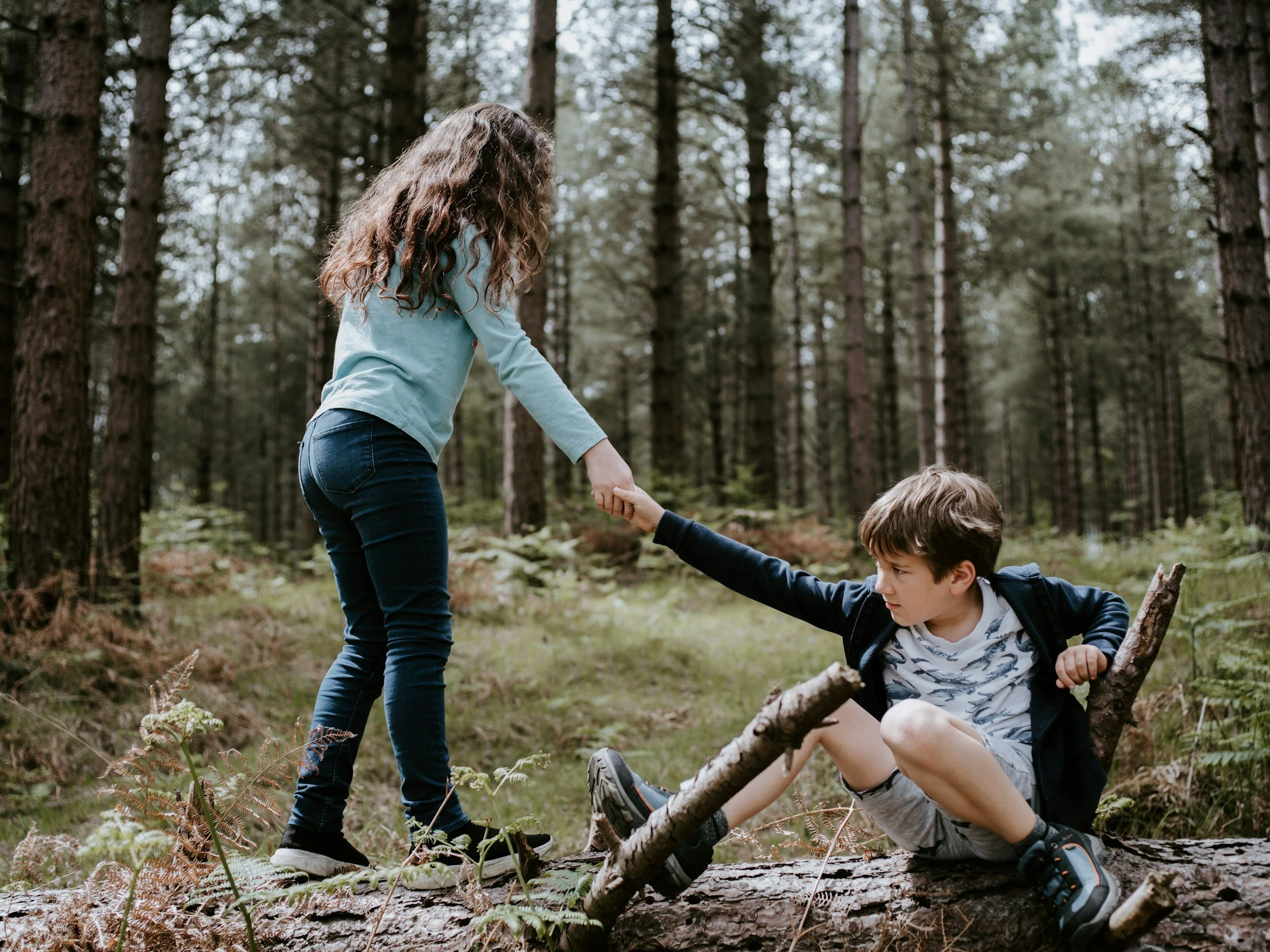
While sibling rivalry is normal, it’s important to seek support if:
Conflicts become frequent, intense, or physical.
One child consistently feels bullied or excluded.
The rivalry affects your family’s overall well-being or your child’s mental health.
Family therapy can provide tools and strategies to improve communication, reduce tension, and strengthen sibling relationships.
How Haven Psychology Group Can Help
At Haven Psychology Group, we specialize in helping families navigate challenges like sibling rivalry. Our therapists work closely with parents and children to address underlying issues, build communication skills, and foster stronger family connections. Whether you’re looking to manage daily conflicts or strengthen your family bond, we’re here to support you every step of the way.
Final Thoughts
Sibling rivalry doesn’t have to be a source of ongoing stress. By fostering empathy, encouraging teamwork, and teaching conflict resolution skills, you can help your children develop healthier relationships with each other—and with themselves.
If your family needs additional support navigating sibling conflicts, contact Haven Psychology Group today. Together, we can create a plan to build harmony and connection in your home.