When Your Child Says “I’m Bored”: Why It’s Actually a Good Thing

“I’m bored.”
It’s a phrase most parents hear often—especially during weekends, school breaks, or summer months. And while it can feel frustrating (or even like a call to entertain), boredom isn’t something to eliminate. In fact, it’s something to embrace.
At Haven Psychology Group, we often remind families that boredom plays an important role in a child’s emotional and cognitive development. Let’s explore why boredom matters and how to respond in a way that supports growth.
Why Boredom Isn’t the Problem
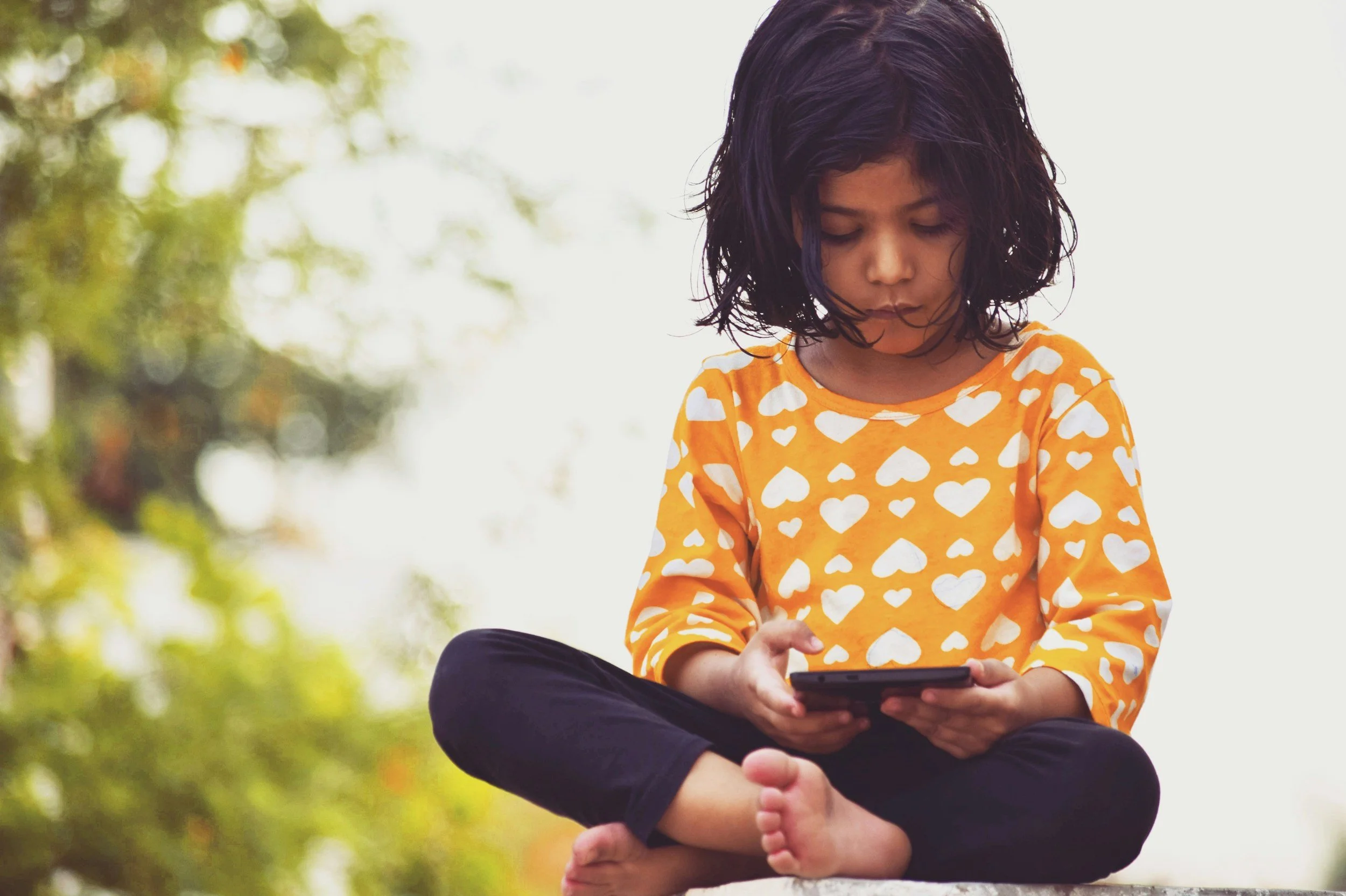
In today’s fast-paced, tech-driven world, children are used to constant stimulation—screens, activities, and instant entertainment. As a result, their tolerance for “unstructured time” has decreased.
Boredom isn’t harmful—it’s uncomfortable. And that discomfort is where growth begins.
When children experience boredom, they are given the opportunity to:
Develop creativity
Strengthen problem-solving skills
Build independence
Learn how to tolerate discomfort
These are critical life skills that don’t develop when everything is provided for them.

What’s Really Happening When Kids Are “Bored”
When a child says, “I’m bored,” it often means:
“I don’t know what to do with myself right now.”
“I’m used to being entertained.”
“I’m uncomfortable with stillness.”
Instead of rushing to fix it, this is a chance to help them learn how to navigate it.
The Temptation to Fix It
It’s natural to want to jump in with solutions:
Suggesting activities
Handing them a device
Filling their time
But consistently rescuing kids from boredom can unintentionally:
Reduce their ability to self-direct
Increase dependence on external stimulation
Limit creativity and persistence
How to Respond (Without Becoming the Entertainment Director)
1. Pause Before Solving
Instead of immediately offering ideas, try:
“Hmm… I wonder what you could do.”
This gently shifts responsibility back to them.
2. Validate Without Fixing
You can acknowledge the feeling without removing it:
“Yeah, being bored doesn’t feel very fun.”
Validation helps them feel understood without reinforcing avoidance.
3. Offer Limited Choices (If Needed)
For younger kids or those who struggle:
“Would you rather draw or play outside?”
This provides structure without taking over.
4. Normalize Unstructured Time
Let your child know that boredom is okay—and even expected:
“Sometimes our brains need a little space to come up with ideas.”
5. Create an Environment That Supports Creativity
You don’t need constant activities—just access:
Art supplies
Books
Building toys
Outdoor space
The goal isn’t more structure—it’s more opportunity.
What Happens When You Let Boredom Play Out
When kids aren’t immediately rescued from boredom, something powerful happens:
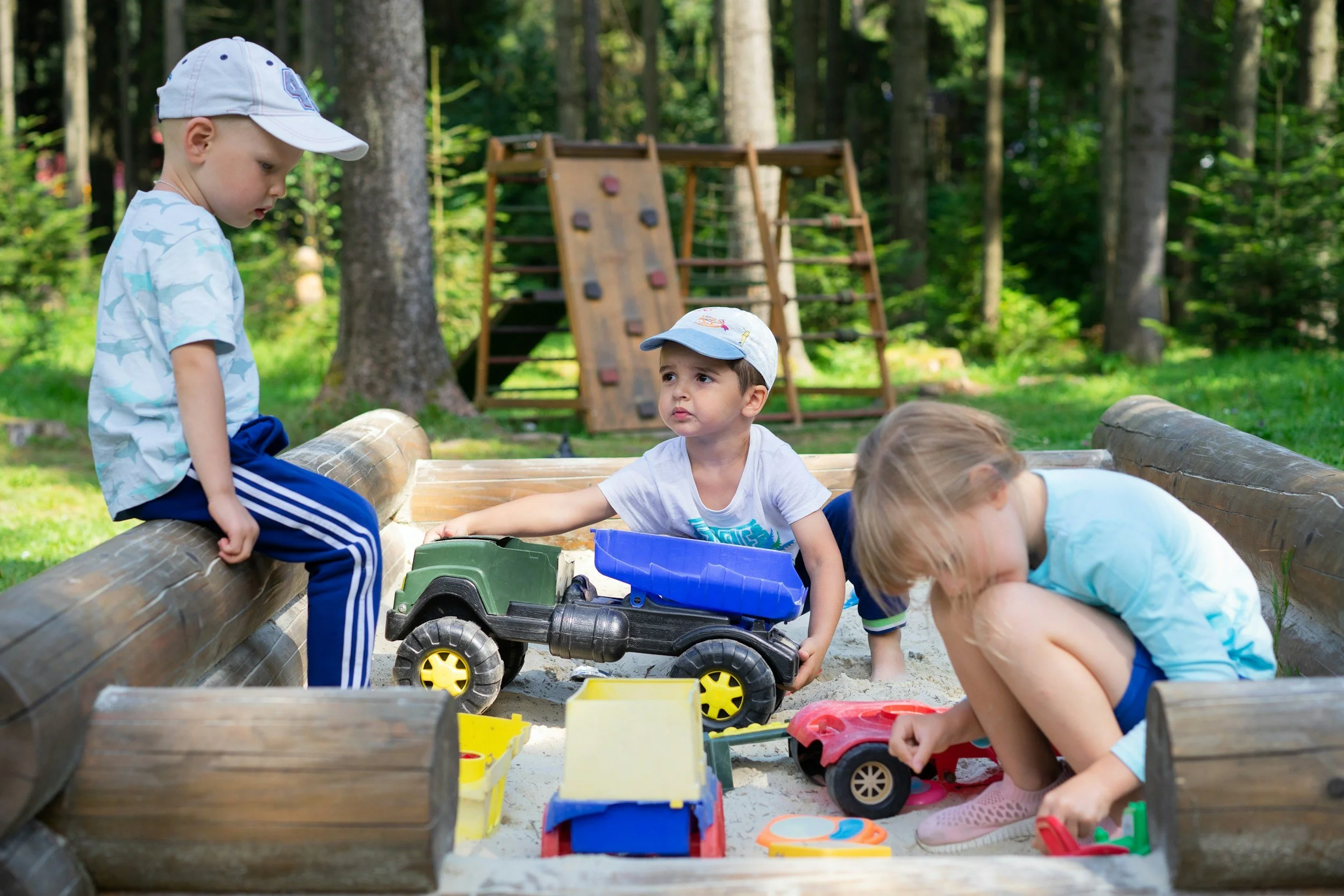
At first → discomfort
Then → exploration
Then → creativity
You may start to see:
Independent play
Imaginative games
Problem-solving
Increased confidence
When Boredom Might Be Something Else
Occasionally, boredom can signal something deeper, such as:
Difficulty with attention or focus
Anxiety or avoidance
Lack of engagement in daily life
If your child frequently seems restless, irritable, or unable to engage in anything, it may be worth exploring further support.
Final Thoughts
Boredom isn’t something to fear—it’s something to use.
By giving your child space to feel bored (without immediately fixing it), you’re helping them build resilience, creativity, and independence—skills that will serve them for life.
At Haven Psychology Group, we support families in building healthy emotional skills, fostering independence, and navigating everyday parenting challenges with confidence.
If you’re finding it difficult to manage behaviors like constant boredom, screen dependence, or emotional frustration, we’re here to help.
Contact us today to schedule a free 15-minute consultation and learn how to support your child’s growth in a way that feels manageable and effective.
Together, we can help your child thrive—even in the quiet, “boring” moments.